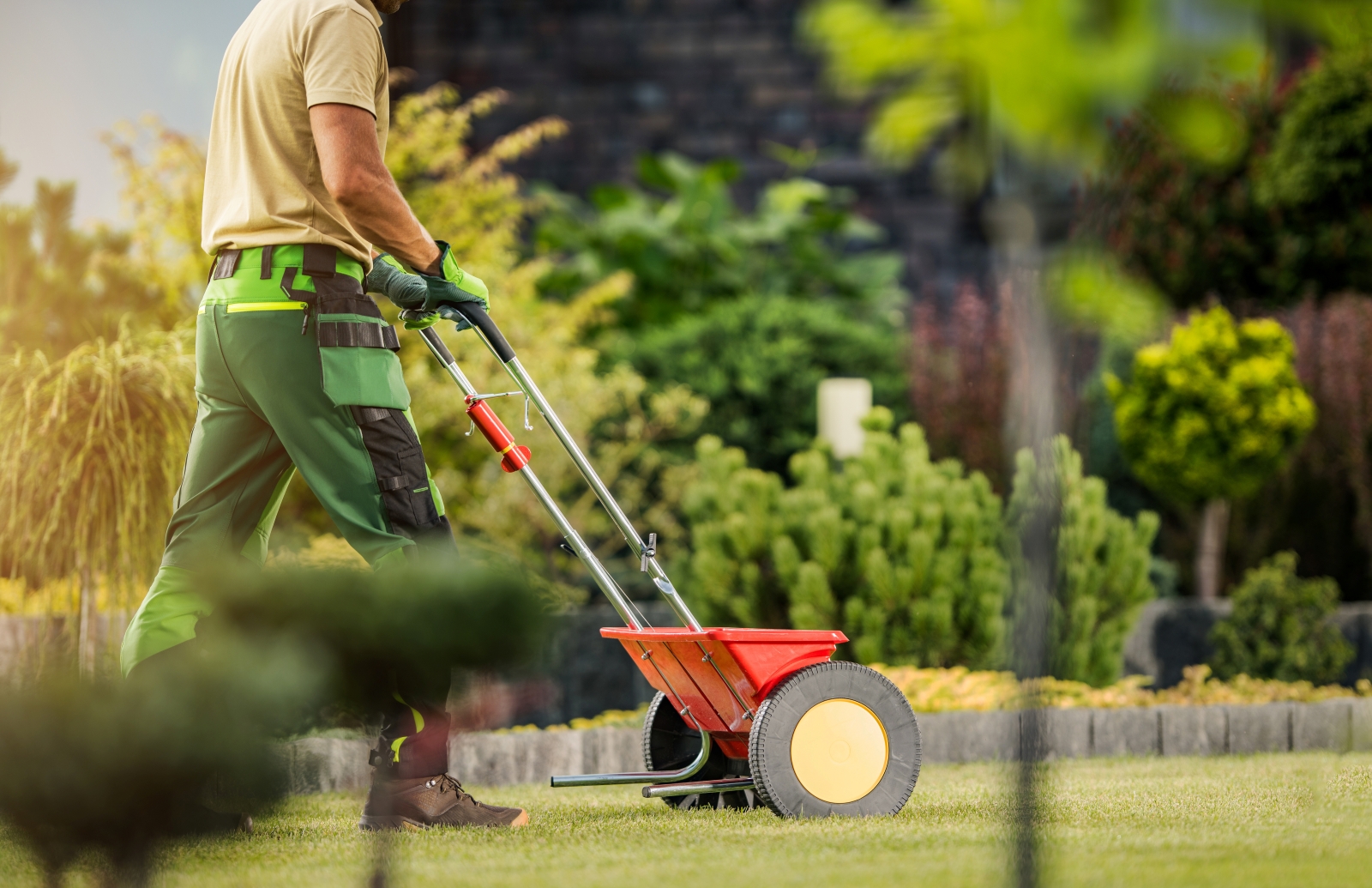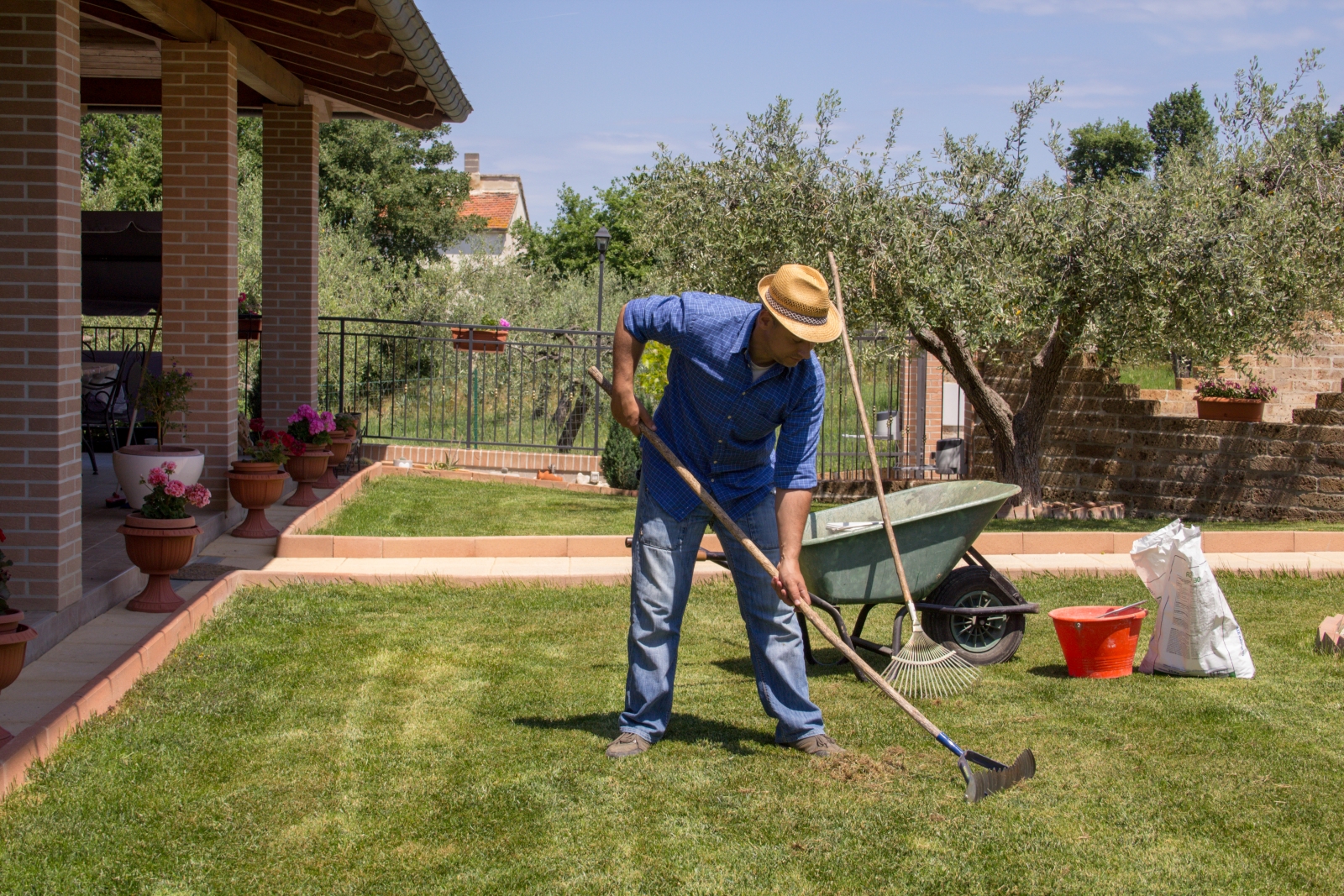
Fertilizer for Landscapers: Build a Recurring Fall Overseeding Program
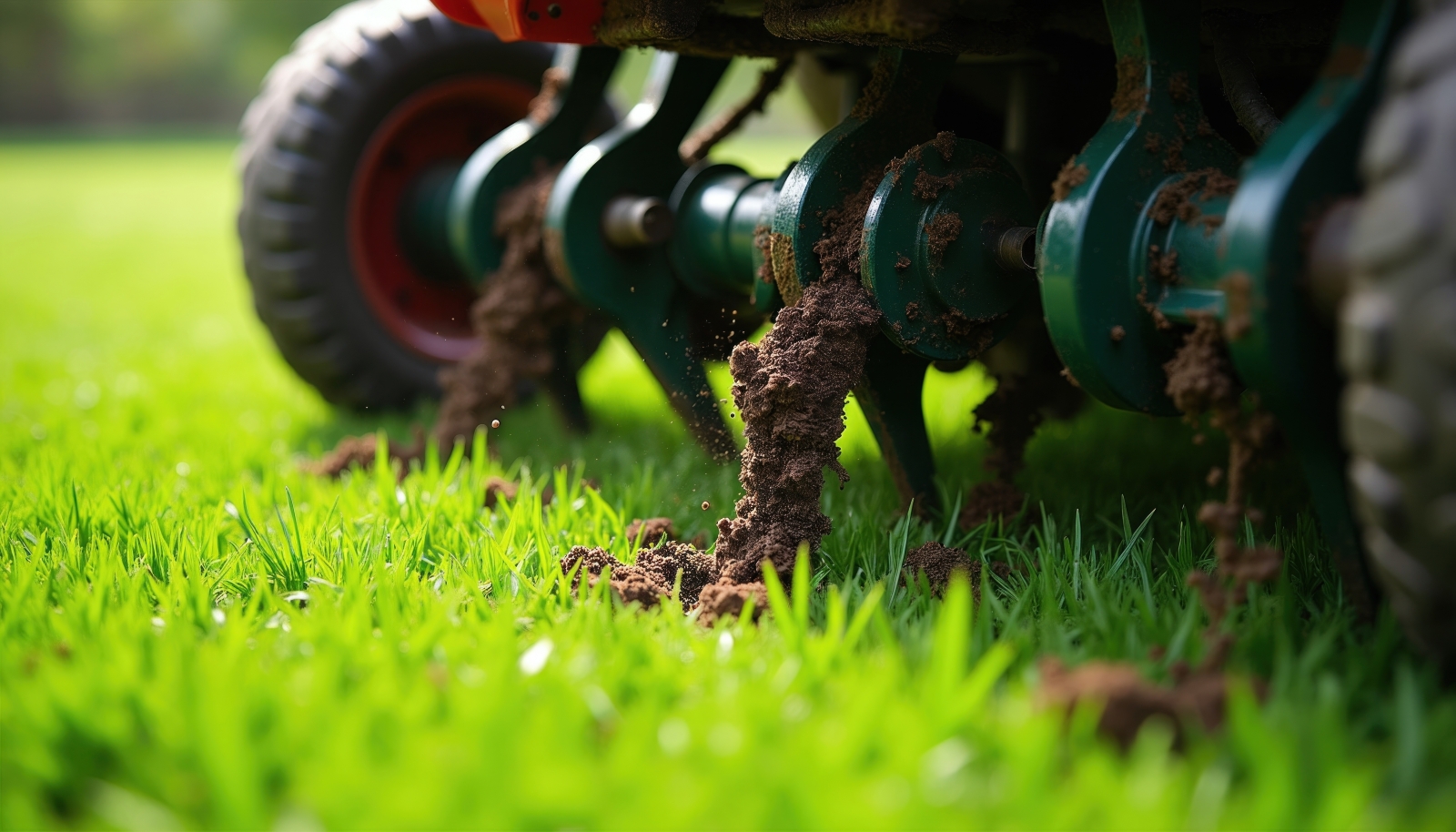
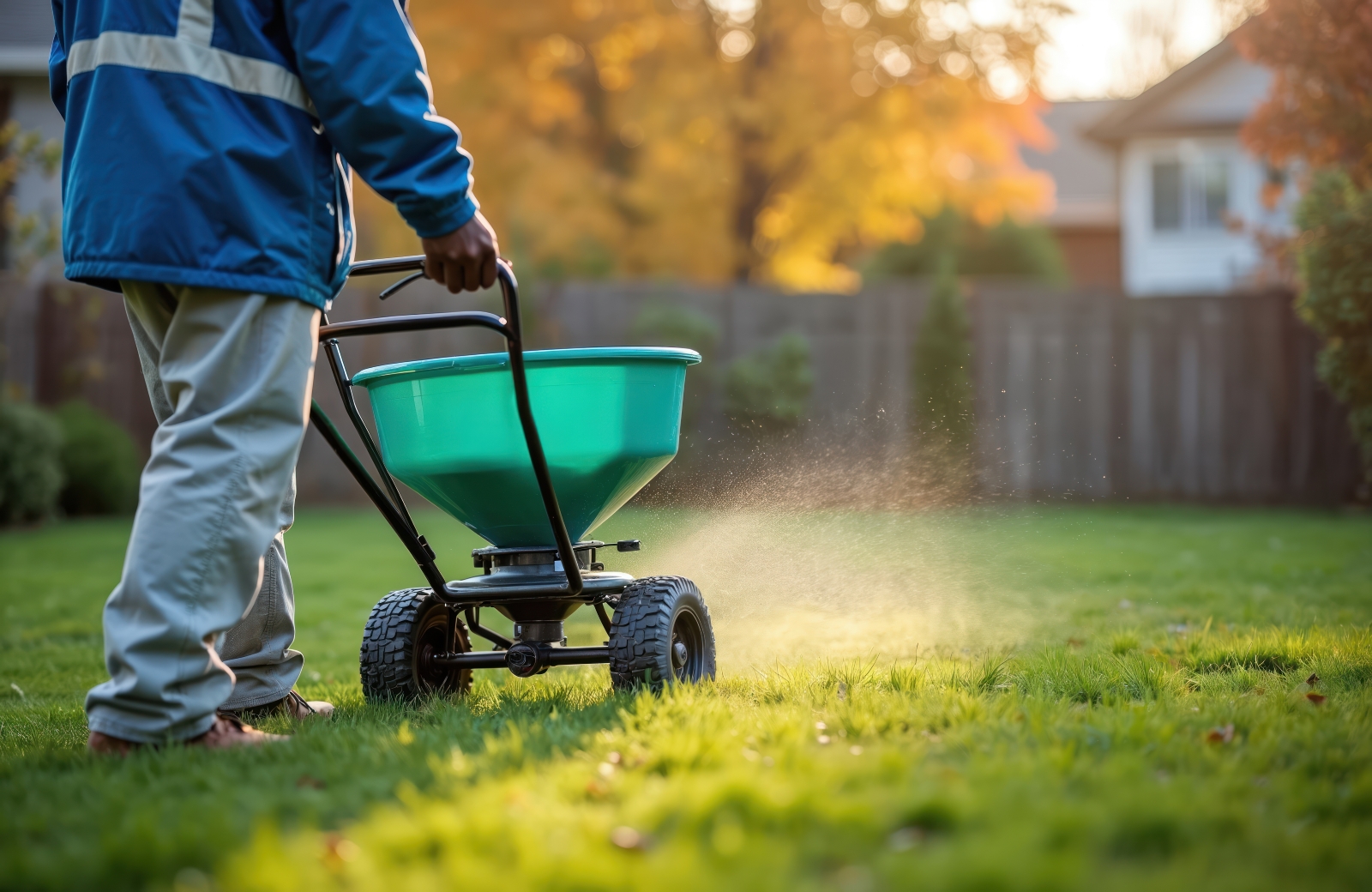
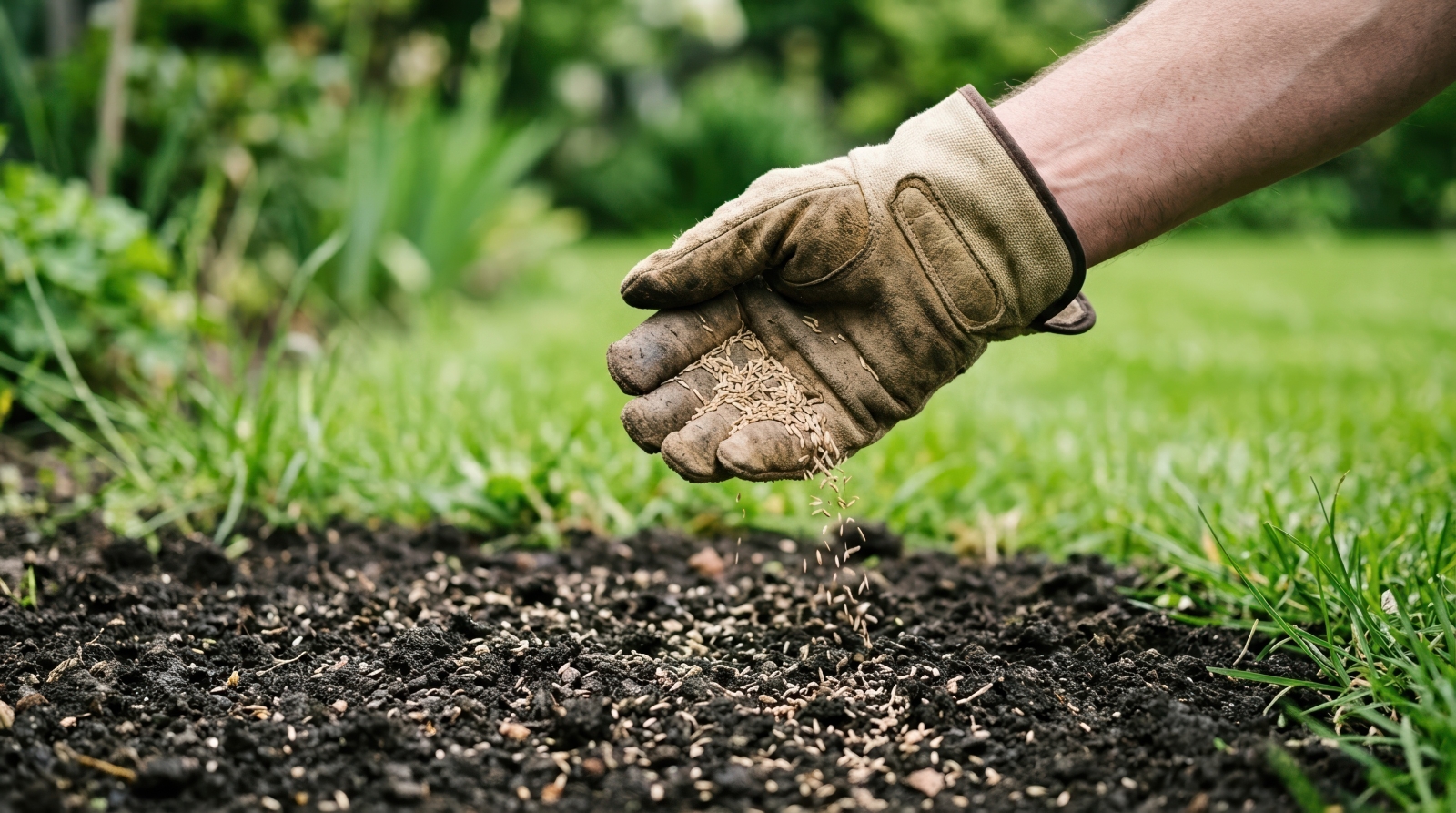
Fall aeration and overseeding is the easiest sale of your season. Here is how to turn it into a recurring ProPeat program clients renew on their own.
Read this article
Blogs and insights to help lawns, gardens, and turf perform better

Fall aeration and overseeding is the easiest sale of your season. Here is how to turn it into a recurring ProPeat program clients renew on their own.
Read this article
Southeast Wisconsin lawns need a spring feeding after two mowings, a light summer application, and a fall winterizer — with exact timing shifting each year.
Read this article
Crabgrass preventer needs to go down in Southeast Wisconsin before soil hits about 55°F, usually mid-to-late April, right around when forsythia blooms.
Read this article
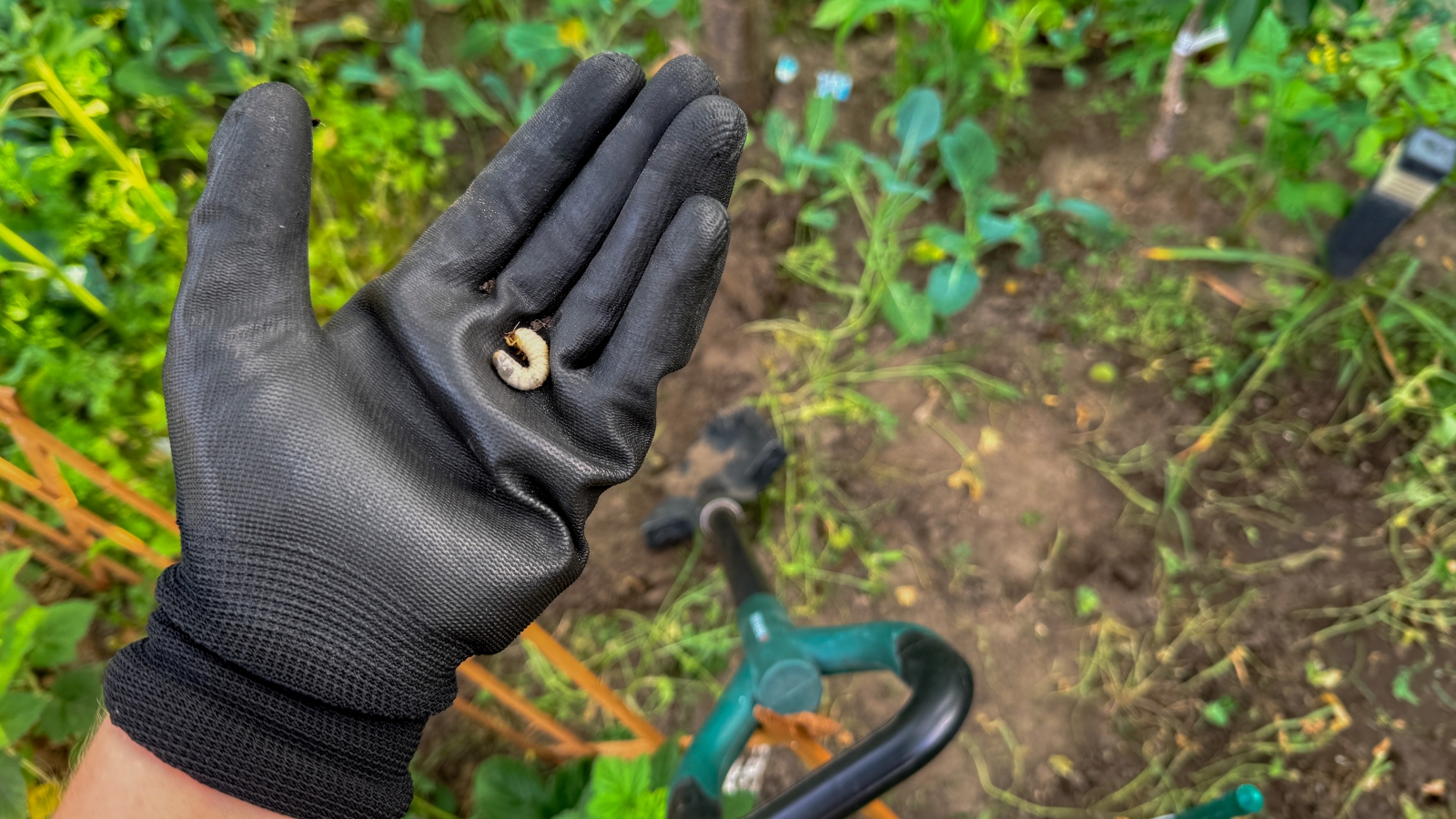
Preventive grub control in Wisconsin works best applied late June through July, watered in within 24 hours, before the next generation of grubs hatches.
Read this article
Lawn treatment season in Southeast Wisconsin typically kicks off in April with a pre-emergent visit, once the soil has thawed and warmed.
Read this article
Wisconsin lawns can be fertilized in summer, but only with a light, controlled-release application — heavy nitrogen in hot, dry weather risks burning the turf.
Read this article
Fall is the most important feeding window for Wisconsin lawns — an early-fall feeding aids recovery, and an October or November winterizer builds stronger roots.
Read this article
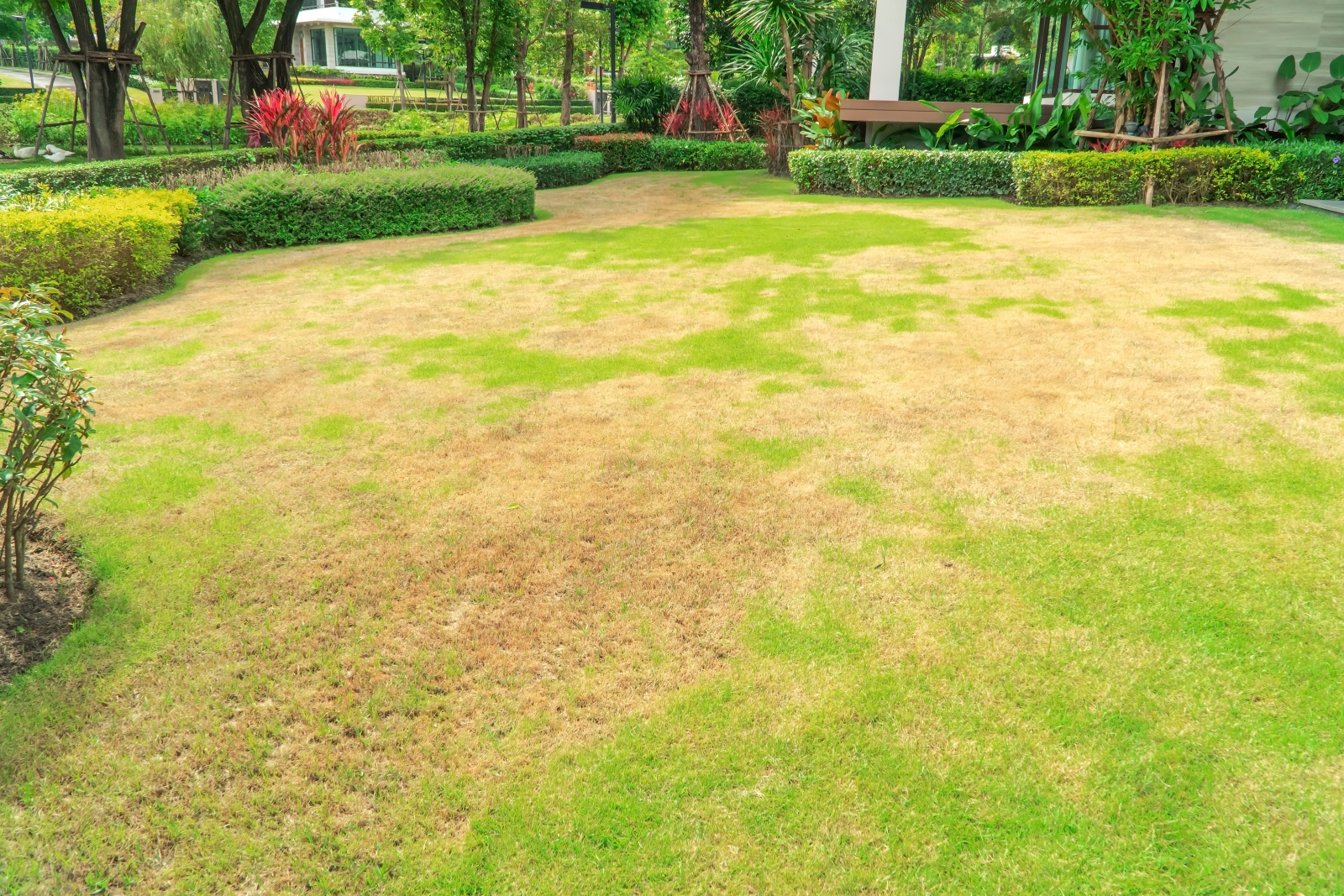
Lawn application dates shift because turf responds to weather, not the calendar — here is what we watch and why it helps.
Read this article
The science behind why peat-based, organic fertilizer holds water and builds soil — and why plastic-coated granules leave microplastic behind.
Read this article
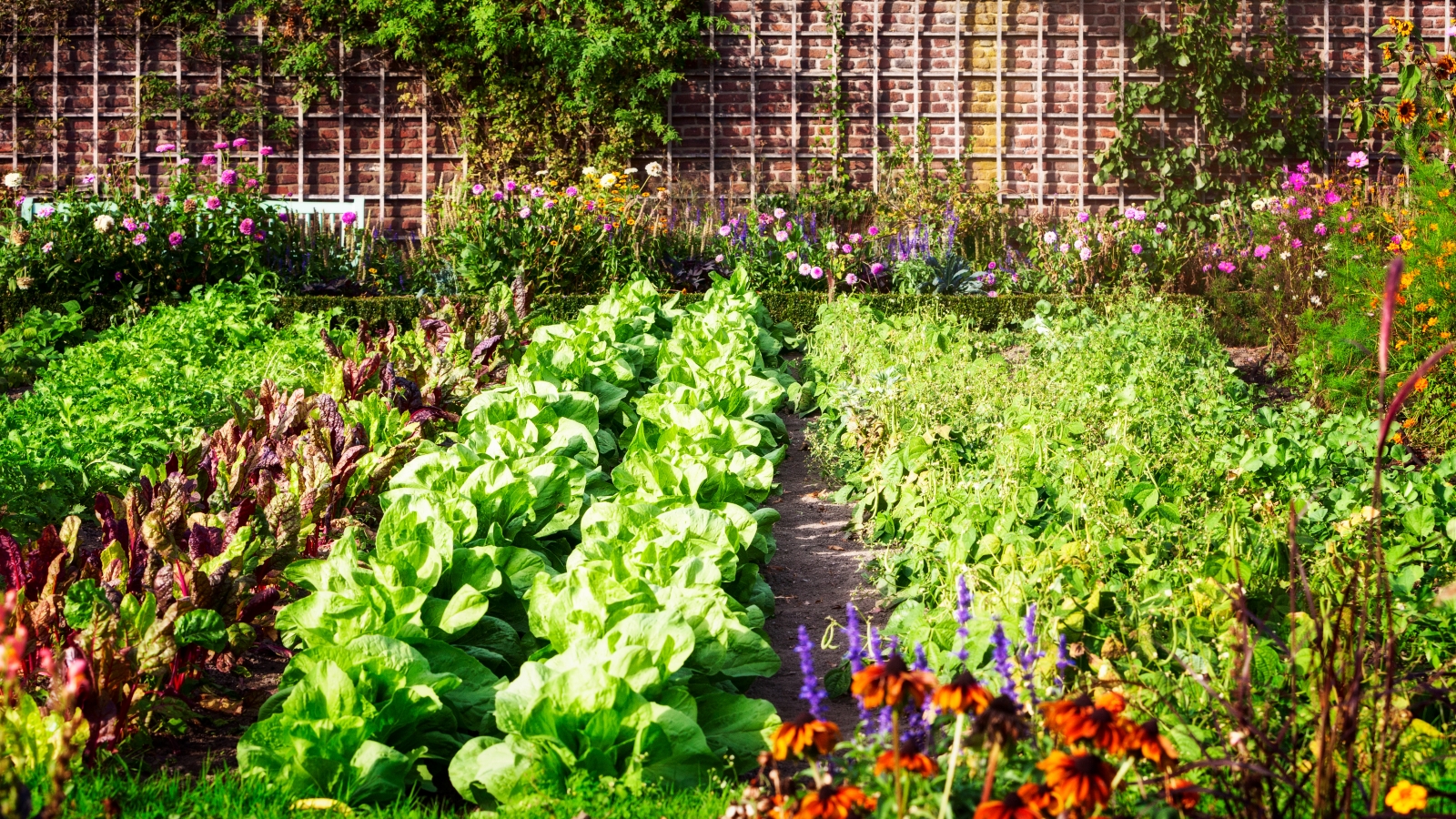
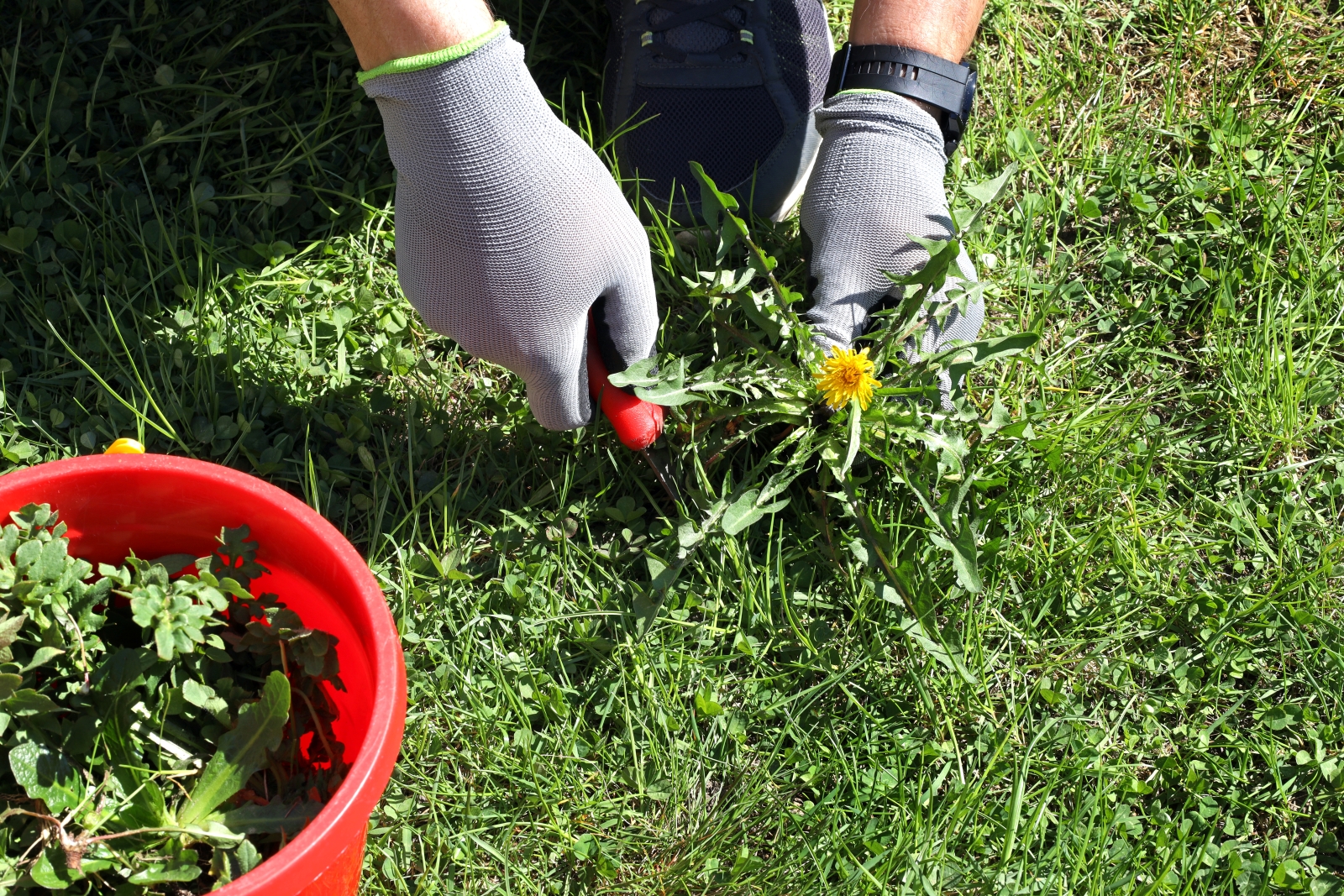
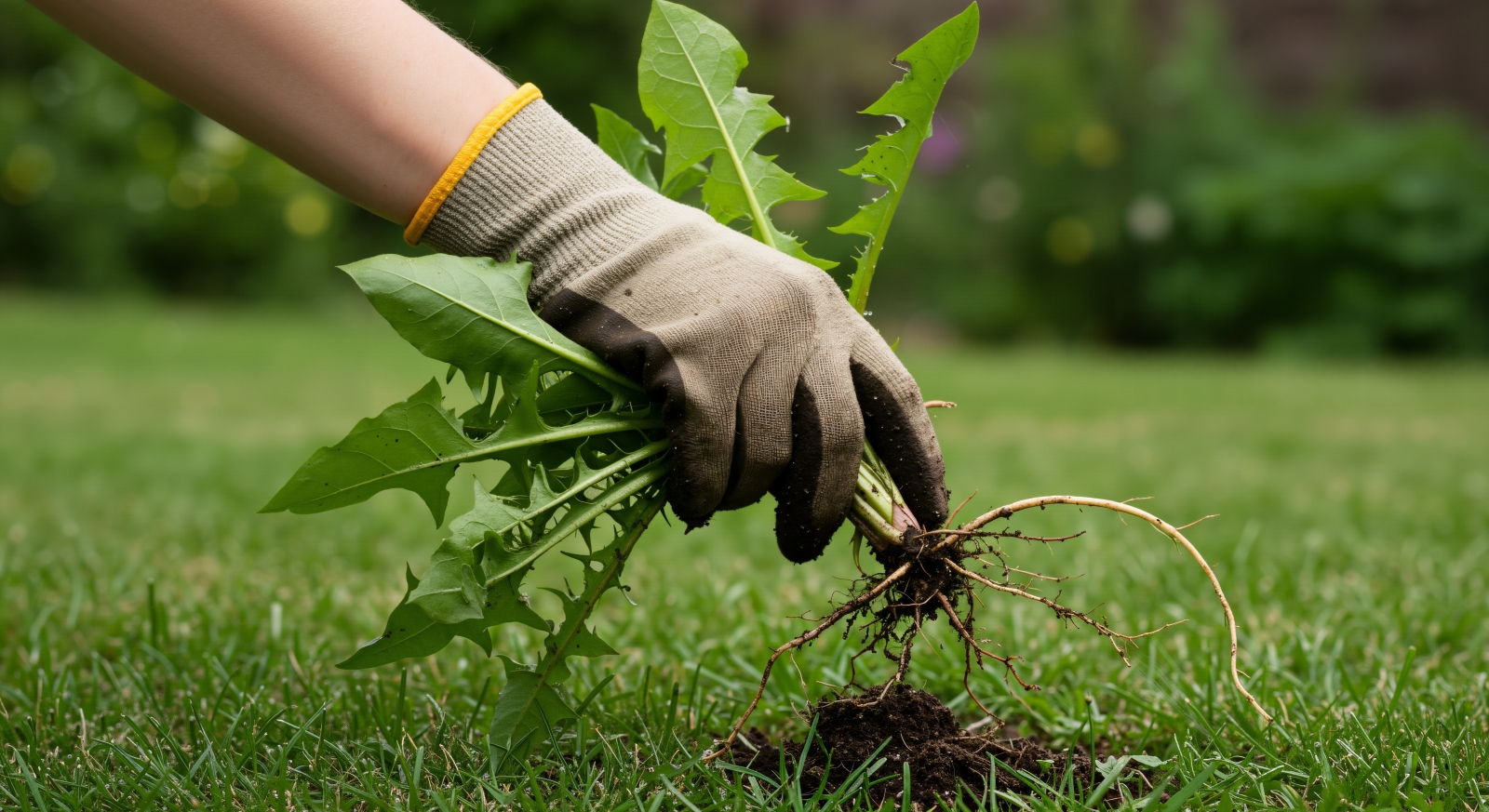
Common Wisconsin lawn weeds include crabgrass, dandelion, white clover, creeping charlie, broadleaf plantain, and nutsedge, each needing different timing and control.
Read this article
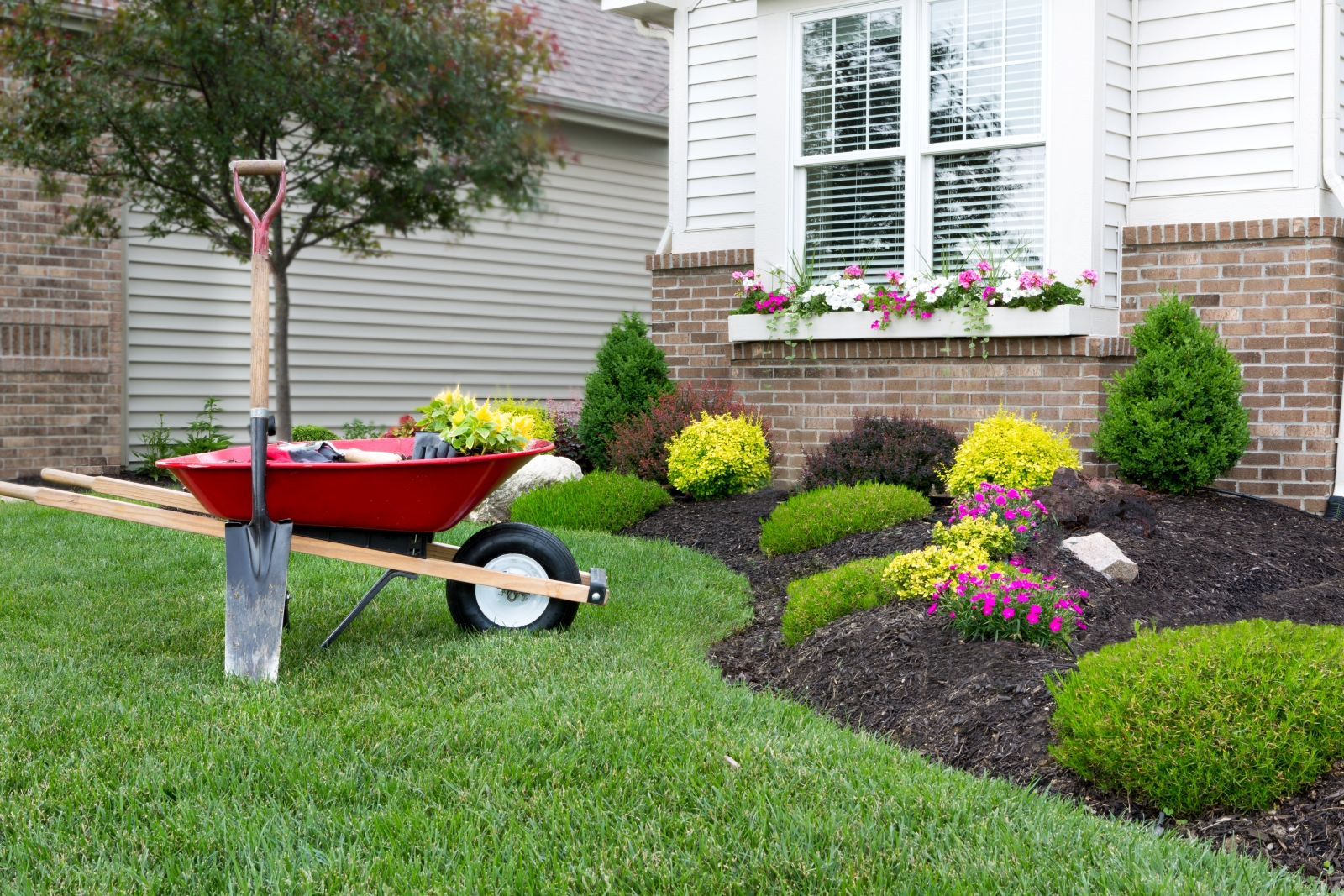
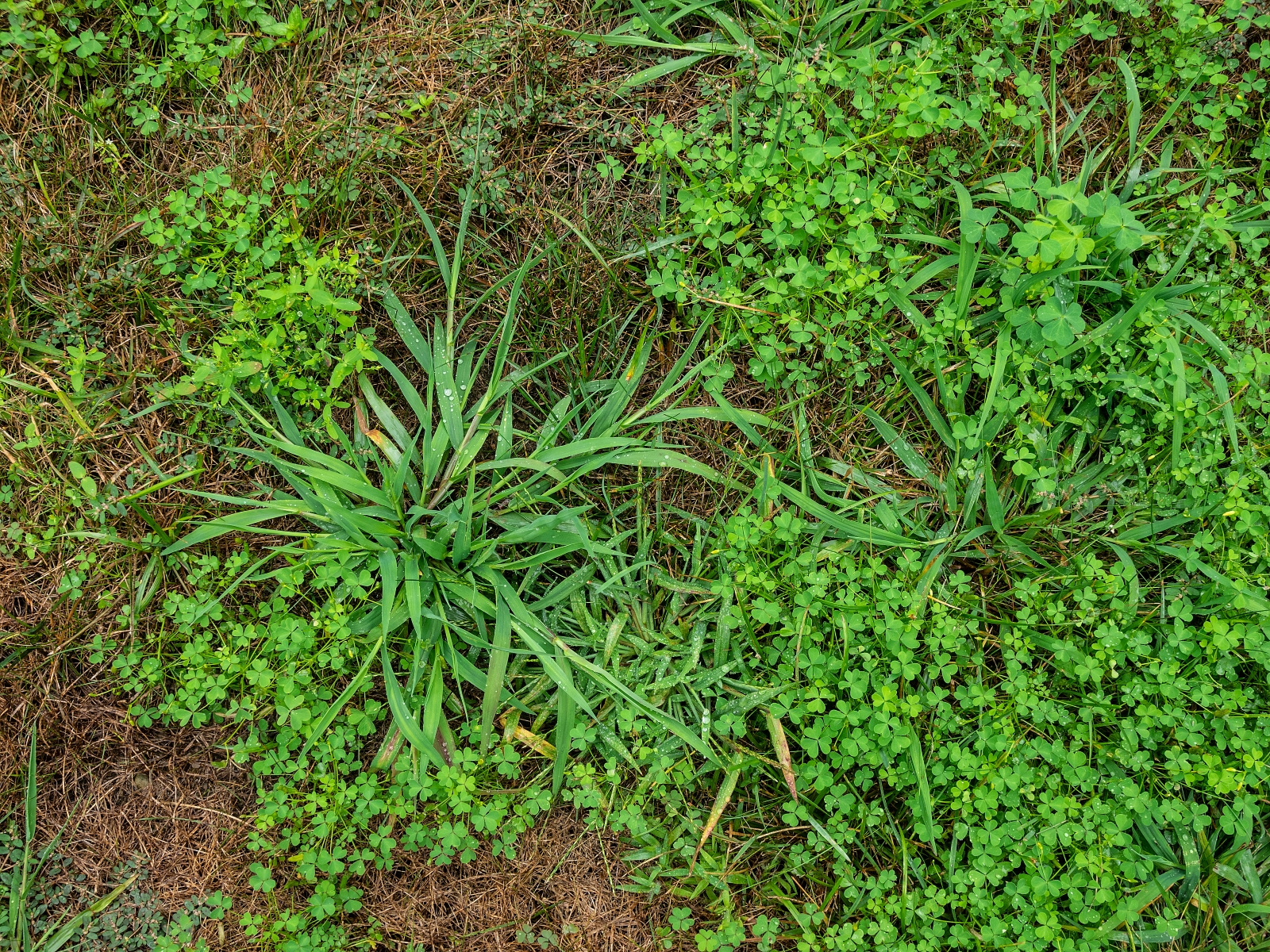
Preventing crabgrass takes a well-timed spring pre-emergent and a dense, healthy lawn, while a post-emergent treatment can knock back weeds already growing.
Read this article
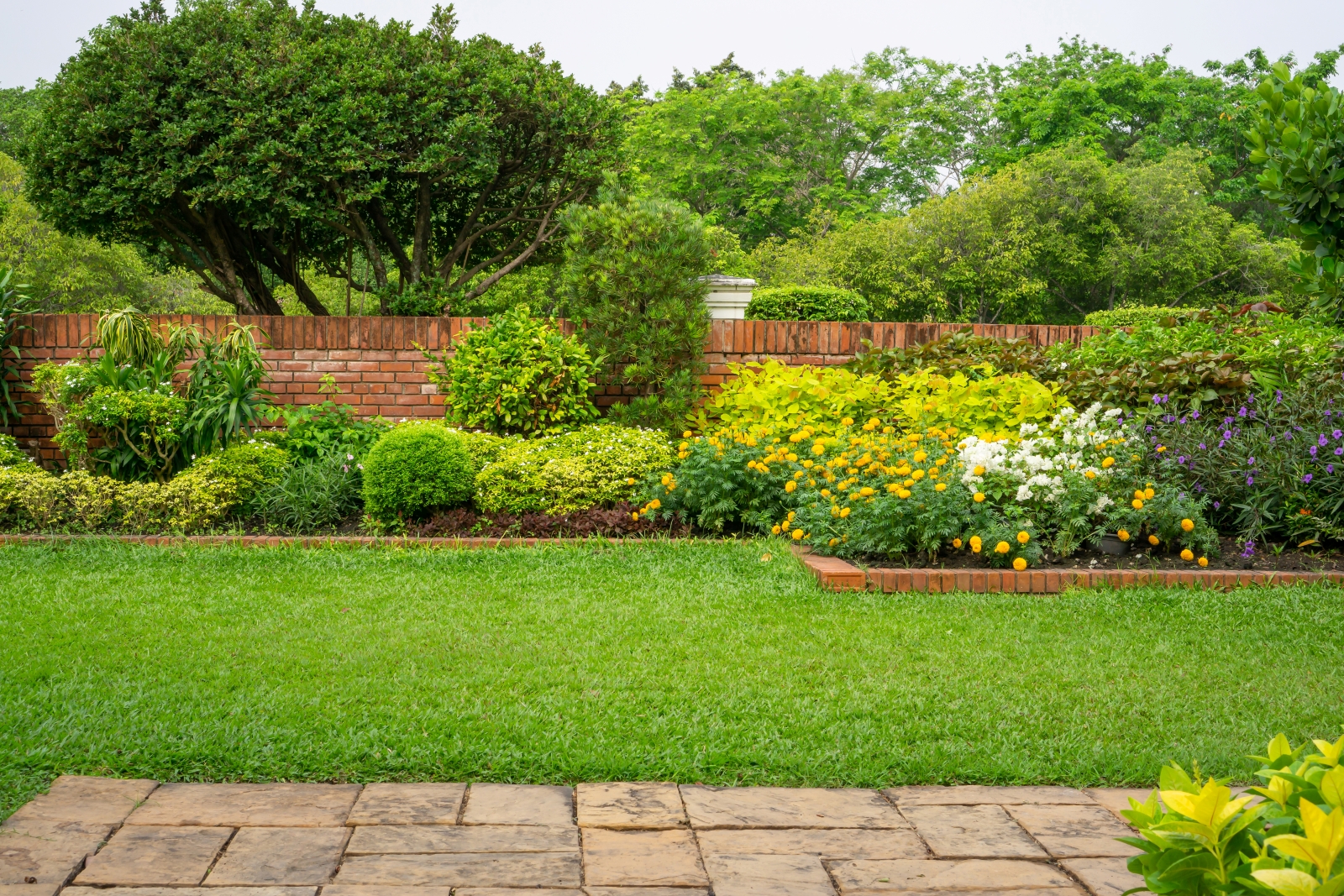
Pre-emergent herbicide prevents weed seeds from germinating, while post-emergent herbicide kills weeds already growing — an effective lawn program relies on both.
Read this article
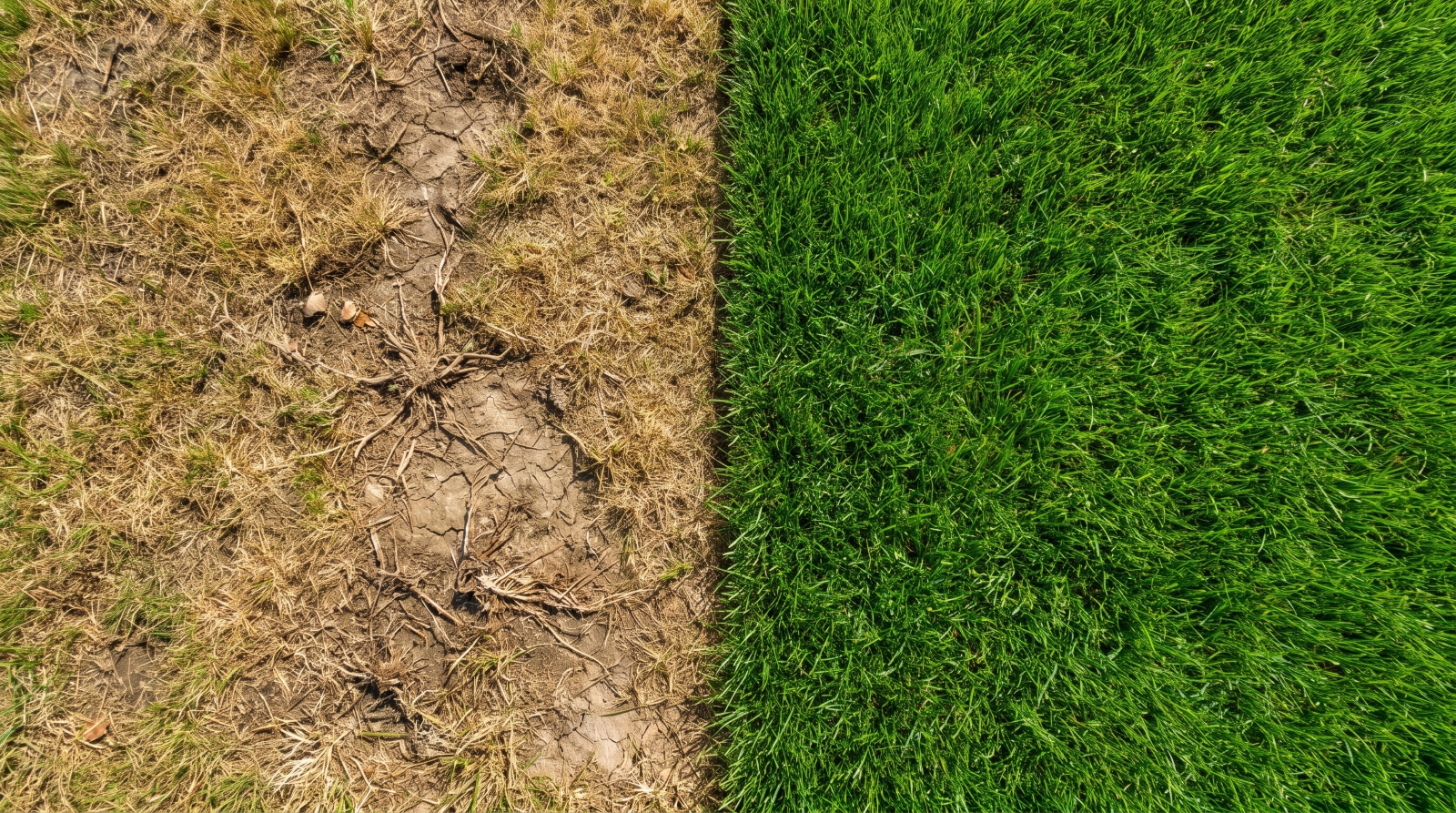
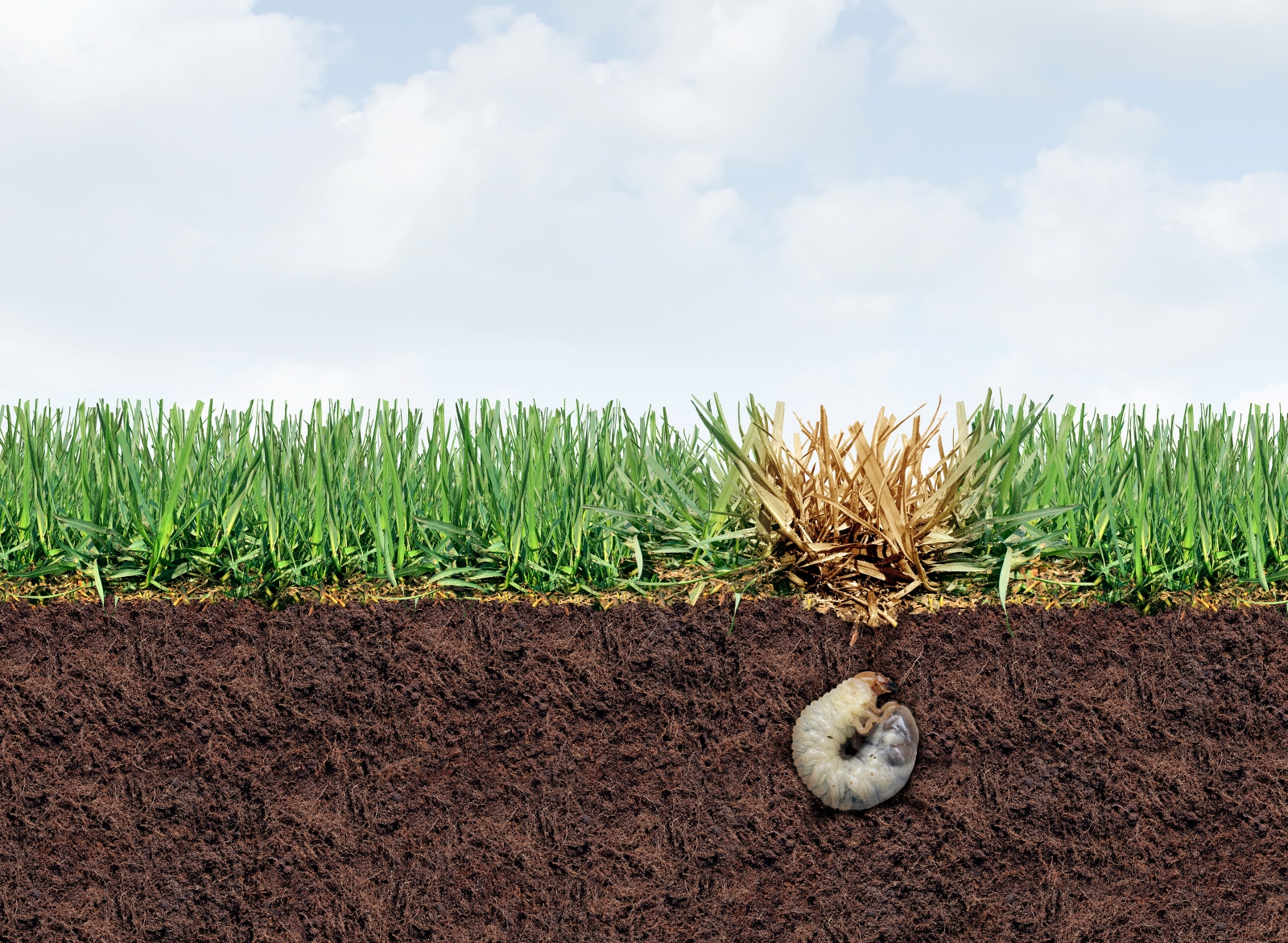
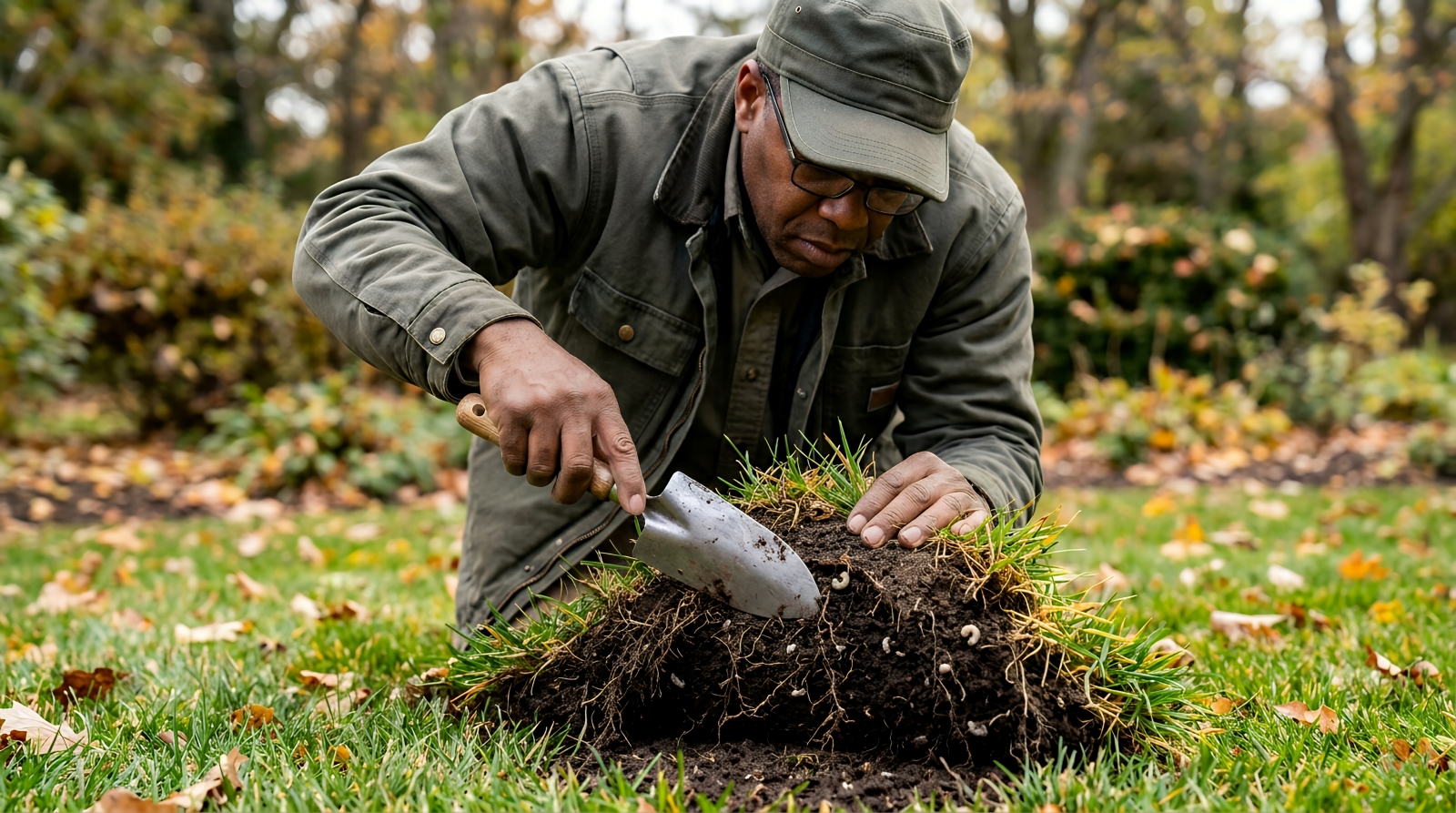
White grubs are the most damaging Wisconsin lawn insects, feeding on roots and causing brown patches, while surface-feeding insects thin turf from above.
Read this article
Watch for brown patches that will not green up, spongy or lifting turf, and increased animal digging — all signs of grub damage.
Read this article
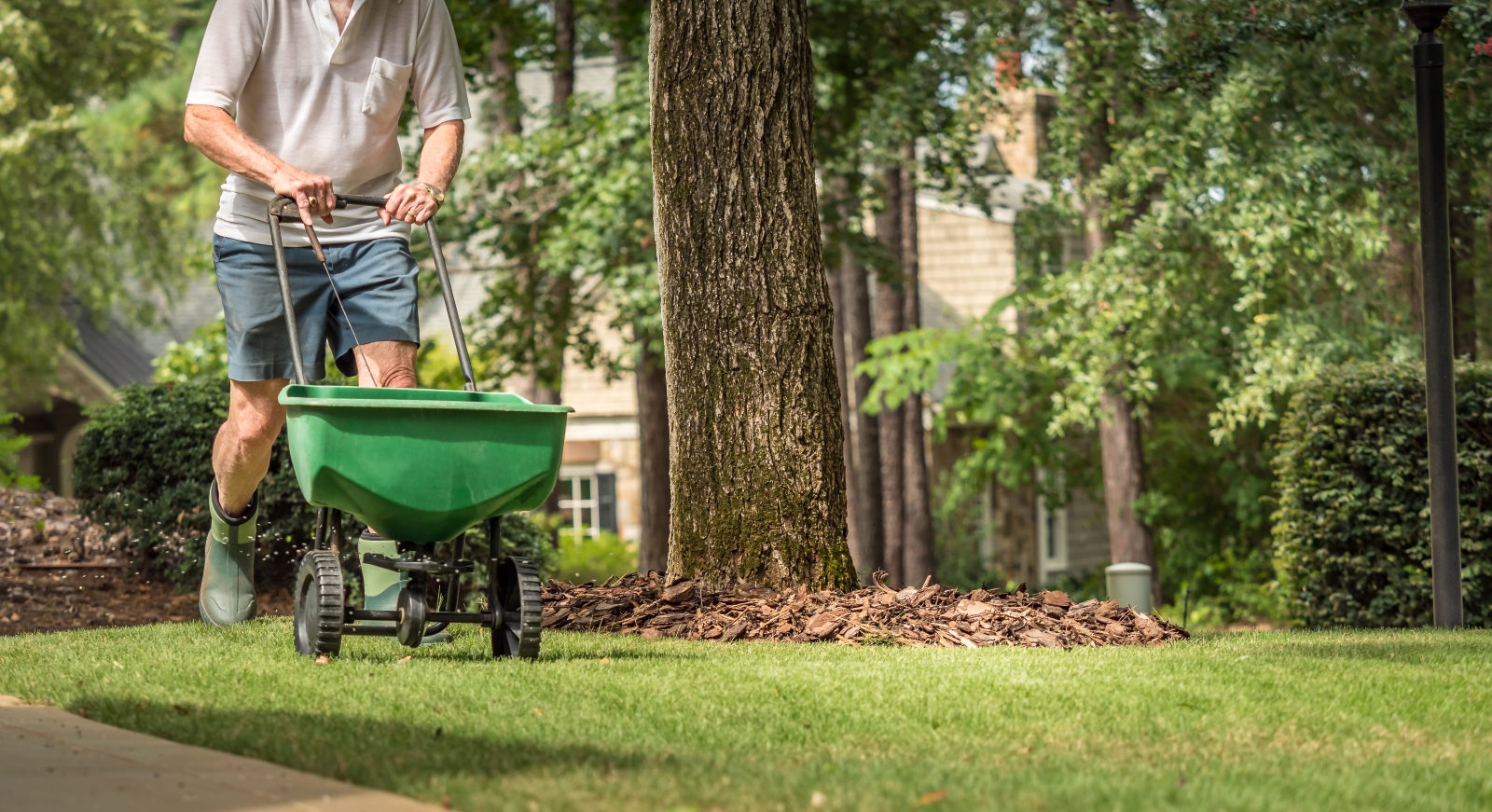
Lawn treatments are safe for pets and children as long as products are applied correctly and by a licensed professional.
Read this article

ProPeat delivers nutrients through carbon-rich sphagnum peat instead of plastic coatings, feeding evenly while supporting soil health and lowering burn risk.
Read this article
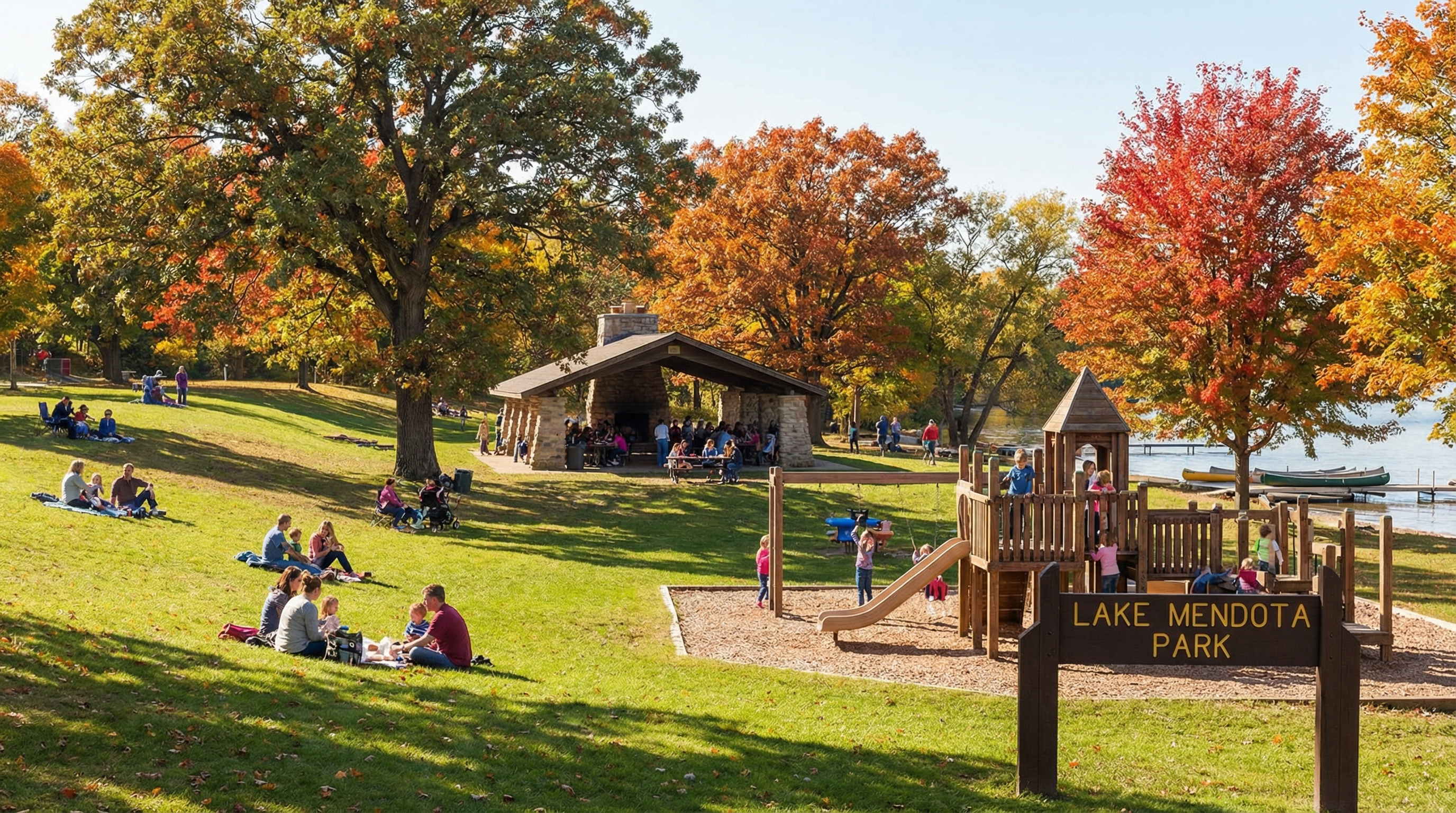
ProPeat uses carbon-rich peat as a natural nutrient carrier instead of plastic coatings, delivering nutrients evenly with nothing left behind in the soil.
Read this article
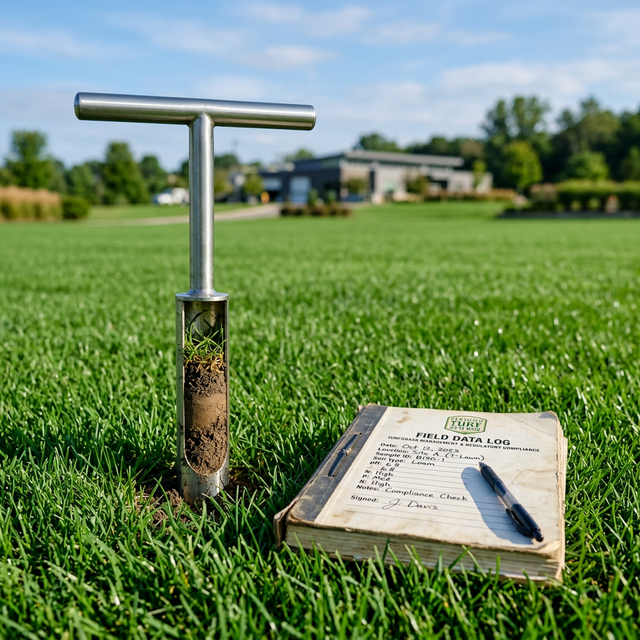
The three numbers on a fertilizer bag show the N-P-K ratio — nitrogen, phosphorus, and potassium — and Wisconsin blends often show 0 phosphorus.
Read this article
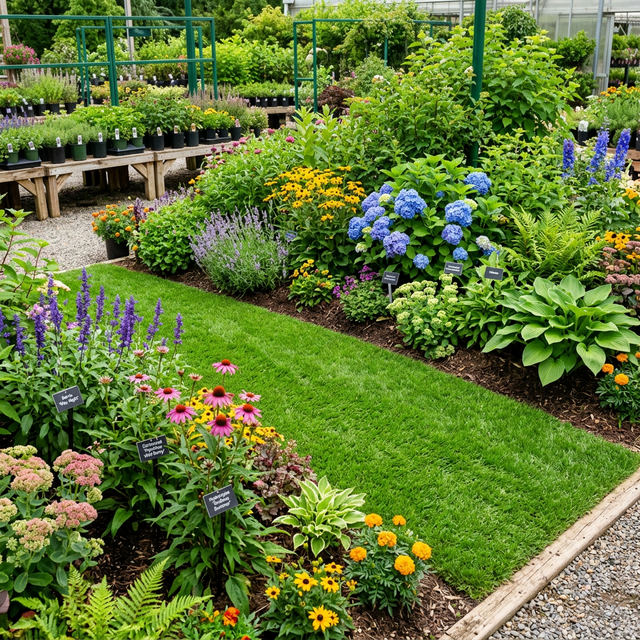
Match the right ProPeat blend to your season and goal, from spring crabgrass prevention through summer feeding and fall winterizing.
Read this article
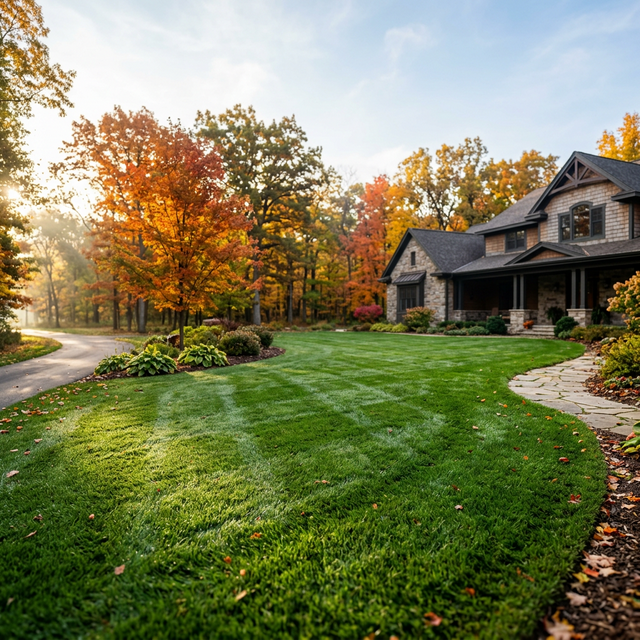
Most lawns do best with feedings spaced across spring, summer, and fall rather than frequent applications, since ProPeat feeds gradually through its peat carrier.
Read this article
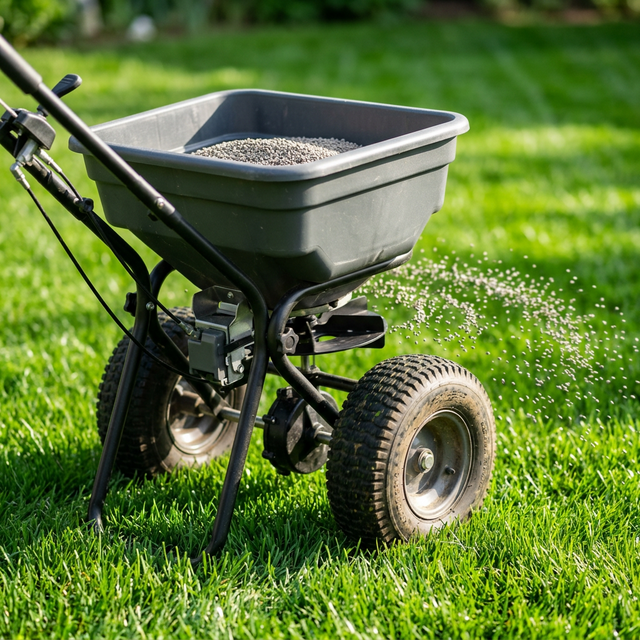
Yes — ProPeat delivers nutrients gradually through a carbon-rich peat carrier instead of a plastic coating, avoiding growth spikes and plastic residue.
Read this article
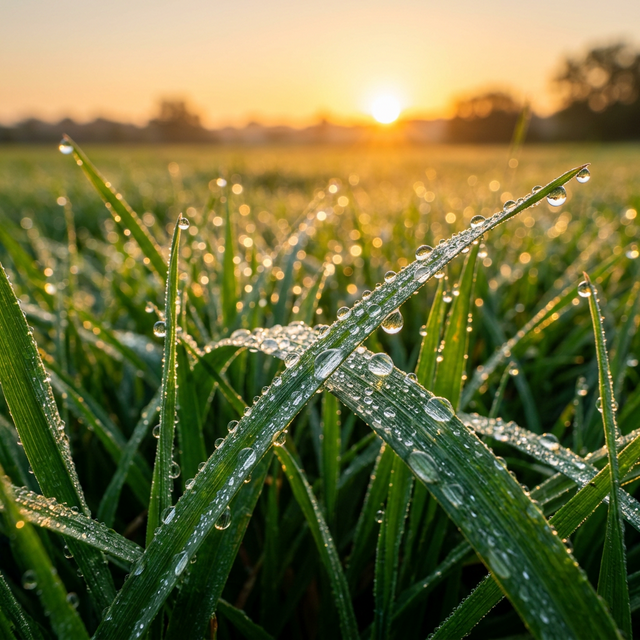
Fertilizer burn happens when too much fast-release nitrogen or salt pulls moisture from the grass, with risk highest in hot, dry weather.
Read this article
Lawn fertilizers are nitrogen-forward and often lack the phosphorus vegetables and flowers need, so a garden-specific blend usually works better.
Read this article
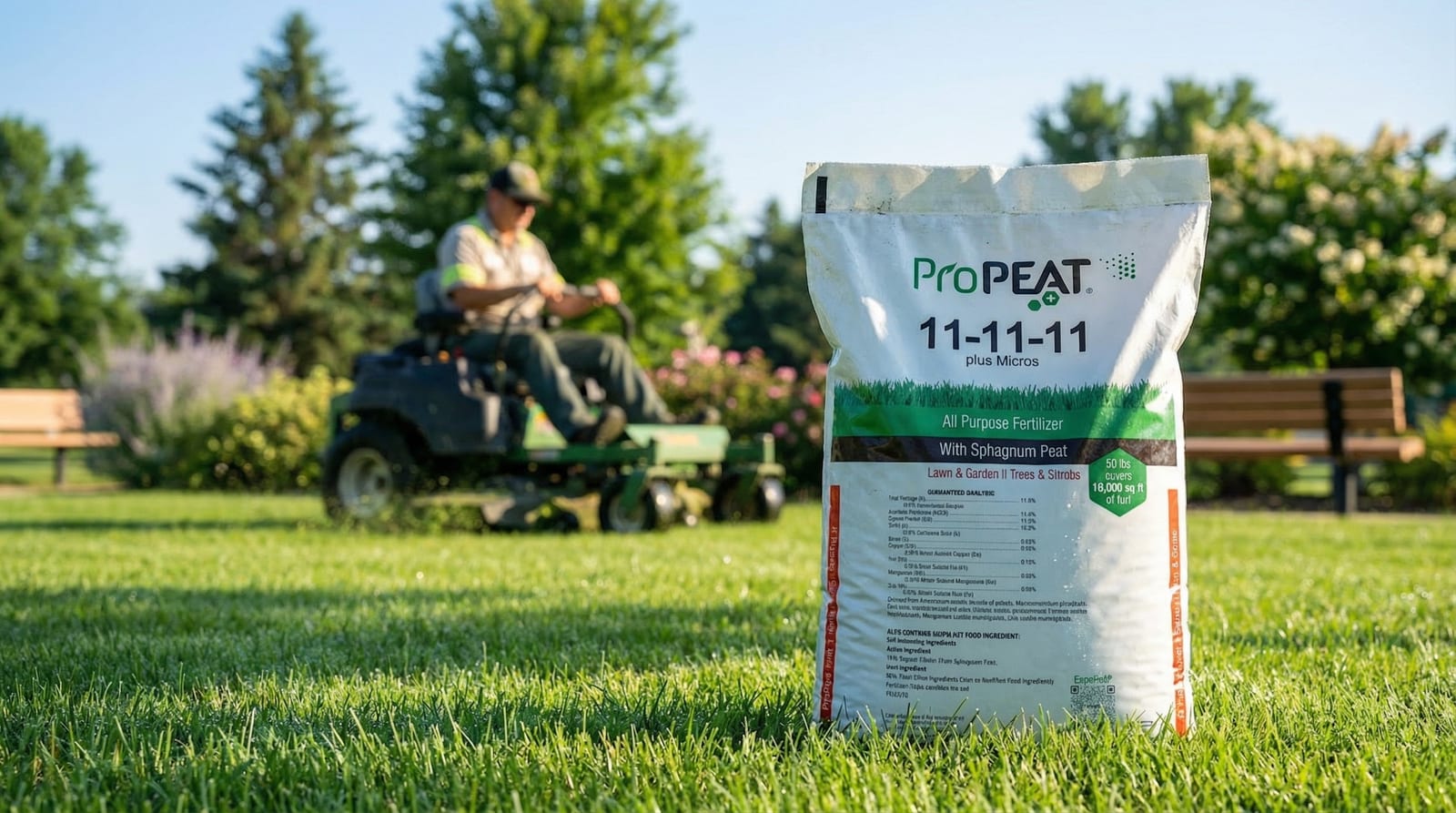
For most vegetable and flower beds, a balanced blend like ProPeat 11-11-11 or 13-5-8 works well, while 7-4-14 SOP suits fruiting and flowering plants.
Read this article
ProPeat is made from ammonium sulfate, phosphate, and sphagnum peat, and is described as safe around pets and edible gardens when used as directed.
Read this article
In Southeast Wisconsin, garden beds are generally fertilized around planting time in May, once the last frost has passed and soil has warmed.
Read this article
Most gardens do well with feedings spaced through the season, since ProPeat’s gradual release also helps plants cope with hot, dry stretches.
Read this article
ProPeat feeds plants while its carbon-rich peat supports soil function over time, though it isn’t a one-time fix for compacted soil.
Read this article
DIY lawn care can work, but the timing precision that matters most is where most homeowner programs slip.
Read this article
Most lawn applications don’t require you to be home, as long as we can access the lawn and gates are unlocked.
Read this article
Lawn treatment pricing depends mainly on lawn size, program length, and any add-ons like insect control.
Read this article
Wisconsin law restricts phosphorus fertilizer on established turf, with exemptions for new turf and documented soil deficiencies.
Read this article
A simple decision framework for matching fertilizer formulas to lawns, gardens, golf turf, and parks operations.
Read this article
Month-by-month guidance for timing nutrition in Wisconsin and similar climates without over-applying.
Read this article
The most common spreader and watering errors, plus a repeatable process that improves uniformity on every pass.
Read this article
Recovery planning for summer stress periods using nutrition, irrigation timing, and traffic management together.
Read this article