
When to Apply Grub Control in Wisconsin
Published July 22, 2026 - 5 min read
Meet the grub
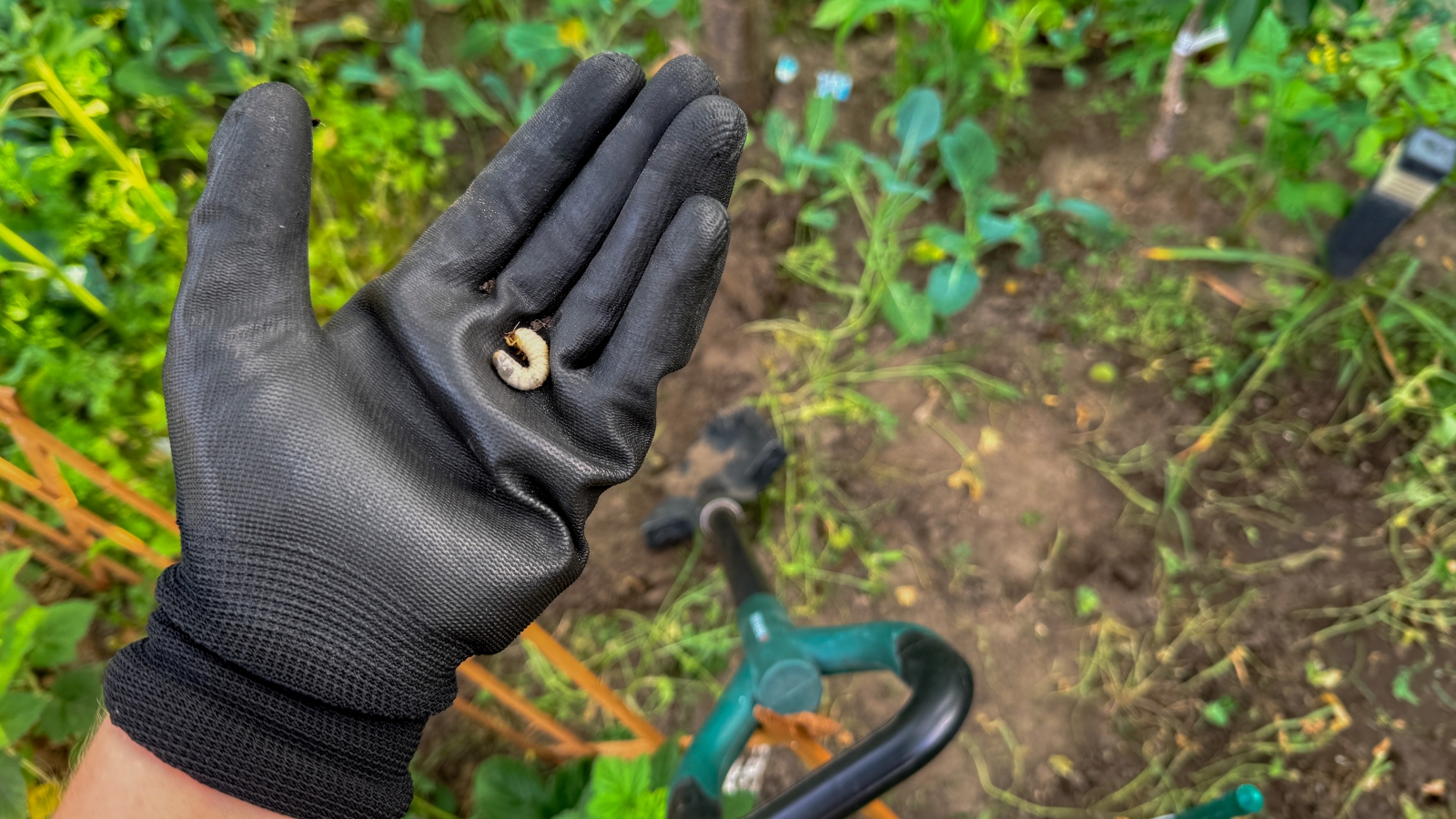
The white, C-shaped grubs that chew lawn roots are the larvae of beetles such as Japanese beetles and June beetles. Adults lay eggs in mid-summer, the eggs hatch into young grubs, and those grubs feed on roots through late summer and fall. The goal of preventive control is to have protection in place before that hatch.
The preventive window: late June through July
Preventive grub products are most effective applied around or just before egg-laying, which means late June into July for most of Southeast Wisconsin. Just as important, you have to water the product into the root zone — within about 24 hours — for it to work. As a rule, preventive applications should not be made after early August; past that point you are chasing grubs that are already feeding.
Preventive vs. curative
Preventive control is the easy, reliable route: time it right, water it in, and you rarely see damage. Curative control is what you reach for once grubs are actively feeding and damage is showing — it is more reactive and the results are less certain. If you have had grubs before, prevention is almost always the better investment.
Signs you already have grubs
Watch for irregular brown patches that do not green up no matter how much you water, turf that lifts up like loose carpet because the roots are gone, and increased digging from birds, skunks, or raccoons hunting for grubs. If the lawn passes the “tug test” and pulls back easily, grubs are a likely culprit.
How we handle it
Our landscape insect control targets pests above and below ground — a granular insecticide for soil pests like grubs and ants, plus broad-spectrum spray applications for nuisance insects around your outdoor living spaces.
Add grub protection to your lawn program before the summer hatch.
Frequently Asked Questions
When should you apply grub control in Wisconsin?
For preventive grub control in Wisconsin, apply between late June and July — before the next generation of grubs hatches — and water it in within 24 hours. Preventive products generally should not go down after early August. If you already see damage, that calls for a different, curative approach.