
Should You Treat Your Own Lawn or Hire a Service?
Published July 14, 2026 - 6 min read
The honest comparison
Plenty of homeowners get good results on their own, and there is real satisfaction in it. The question is whether the savings are worth the time, the learning curve, and the risk of mistimed applications. Here is how the two stack up.
Cost
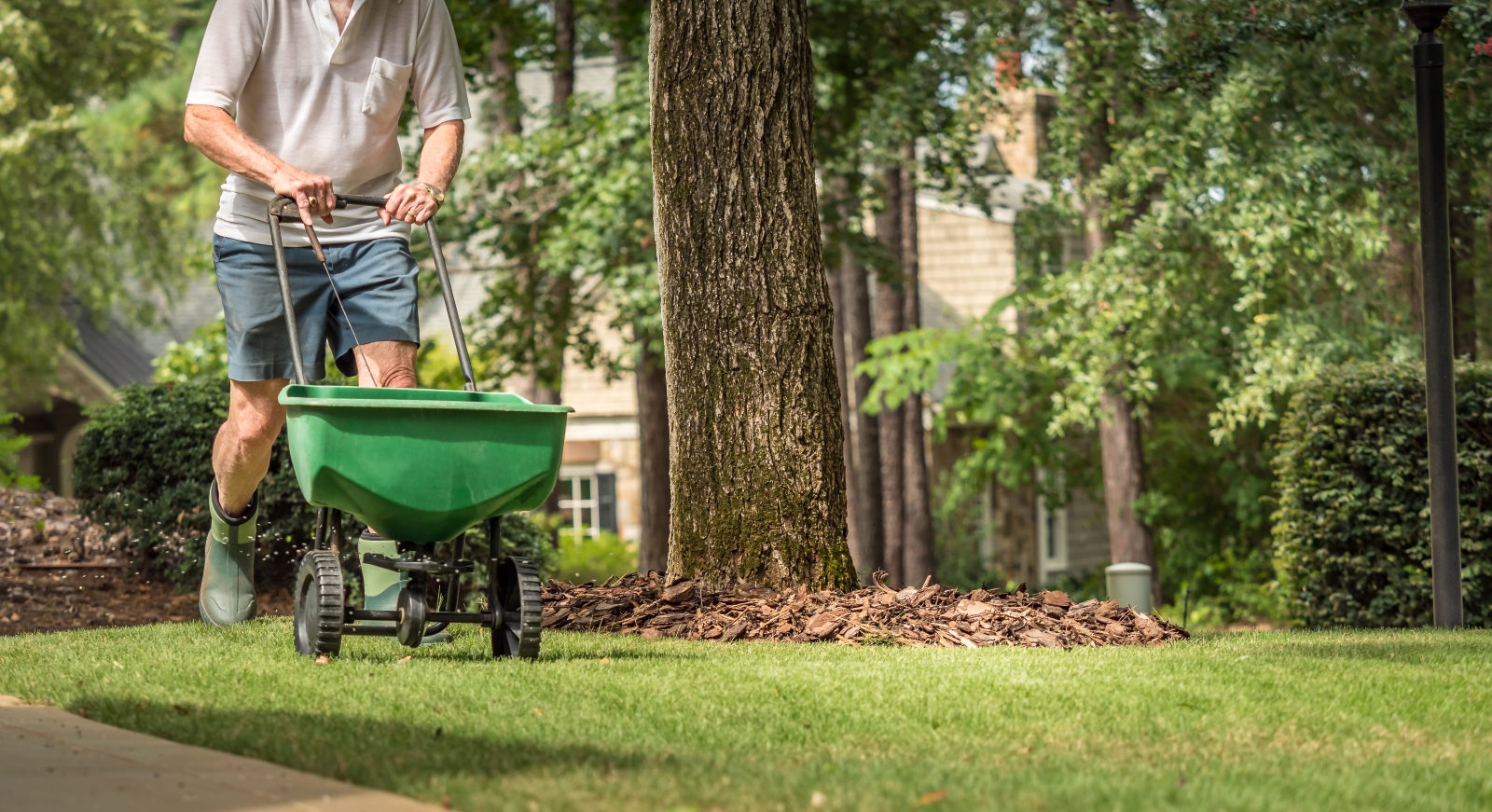
DIY looks cheaper at the shelf, but the real cost includes a spreader, sprayer, multiple products bought in consumer-size bags, and your time across five or more applications. A program bundles products, equipment, and labor — and avoids the cost of a wasted or mistimed application.
Timing and know-how
Timing is where most DIY programs fall short. Pre-emergent has to go down before soil hits the mid-50s, summer feeding has to avoid burning a stressed lawn, and fall feeding has to land in the right window. Getting these wrong is the difference between a thick lawn and a frustrating one.
Products and licensing
Some products and rates are best handled by a licensed applicator who is trained in safe, correct application. Licensing means accountability to those standards — and confidence that what goes on your lawn is applied properly around your family and pets.
Convenience
The simplest argument for hiring out is that the work — and the timing decisions — are off your plate. You get the result without tracking soil temperatures or storing chemicals in the garage.
When a program is worth it
If you want consistent results without managing the calendar, or you have struggled with crabgrass, weeds, or burn, a program usually pays for itself in time saved and mistakes avoided. If you enjoy the hands-on work and have the timing down, DIY can absolutely work.
Want to see what a done-for-you program would cost? Request a free estimate.
Frequently Asked Questions
Should You Treat Your Own Lawn or Hire a Service?
DIY lawn care can work if you’re willing to learn the timing and buy the products and equipment. But the precision that matters most — soil-temperature-based pre-emergent timing, correct rates, and safe summer feeding — is where DIY programs usually slip. A professional program handles timing, products, and licensing for you.