
Will ProPeat Improve Poor or Compacted Garden Soil?
Published July 16, 2026 - 5 min read
The soil-building angle
Unlike a synthetic-only feed, ProPeat brings carbon-rich peat into the soil as its nutrient carrier. Over repeated applications, that organic matter supports soil function and helps the soil hold and deliver nutrients more efficiently.
What peat contributes
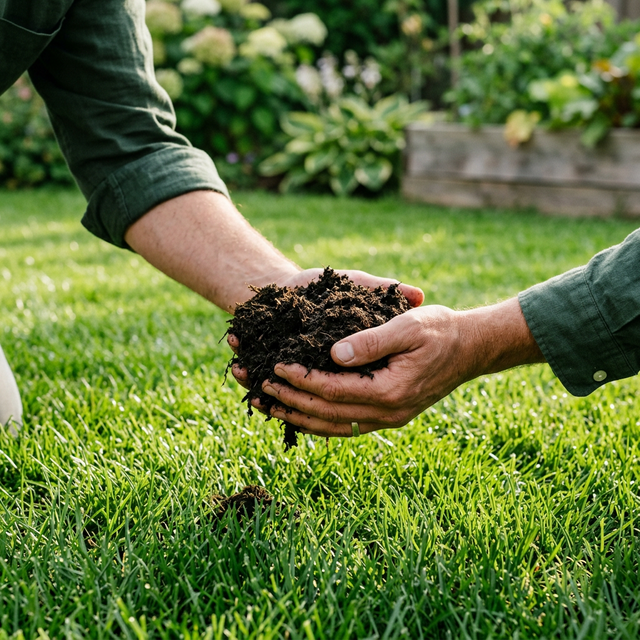
Peat acts like a sponge — holding nutrients and moisture and releasing them gradually. That improves nutrient efficiency and reduces leaching compared with products that dump nutrients quickly.
Realistic expectations
It’s important to be straight about this: ProPeat conditions and feeds, but it isn’t an instant cure for compacted or badly degraded soil. Lasting improvement comes from repeated good practices, not a single bag.
Pair it with good practices
For compacted beds, combine feeding with adding organic matter (compost), loosening soil without working it when wet, and avoiding unnecessary tilling. Together with ProPeat’s soil-forward nutrition, those practices rebuild healthy soil over time.
Want a soil-forward feeding plan for your garden? Ask us for a recommendation.
Frequently Asked Questions
Will ProPeat Improve Poor or Compacted Garden Soil?
ProPeat feeds plants while its carbon-rich peat acts as a natural carrier that supports soil function and nutrient efficiency over time. It conditions and feeds the soil, but it isn’t a one-time fix for compaction — pair it with good practices like adding organic matter and avoiding working wet soil.