
Peat vs. Plastic-Coated Fertilizer: What Stays in Your Soil?
Published July 18, 2026 - 5 min read
How conventional slow-release fertilizers work
To feed a lawn gradually, many slow-release fertilizers wrap urea in a plastic (polymer) coating. The coating meters out nutrients as it slowly breaks down, which is an effective way to control release — but the plastic itself has to go somewhere.
What happens to those coatings
As the coatings degrade, they do not simply disappear. They leave behind residual plastic material in the soil, and over many bags and many seasons that can add up. For anyone focused on long-term soil quality, that residue is worth paying attention to.
The ProPeat difference
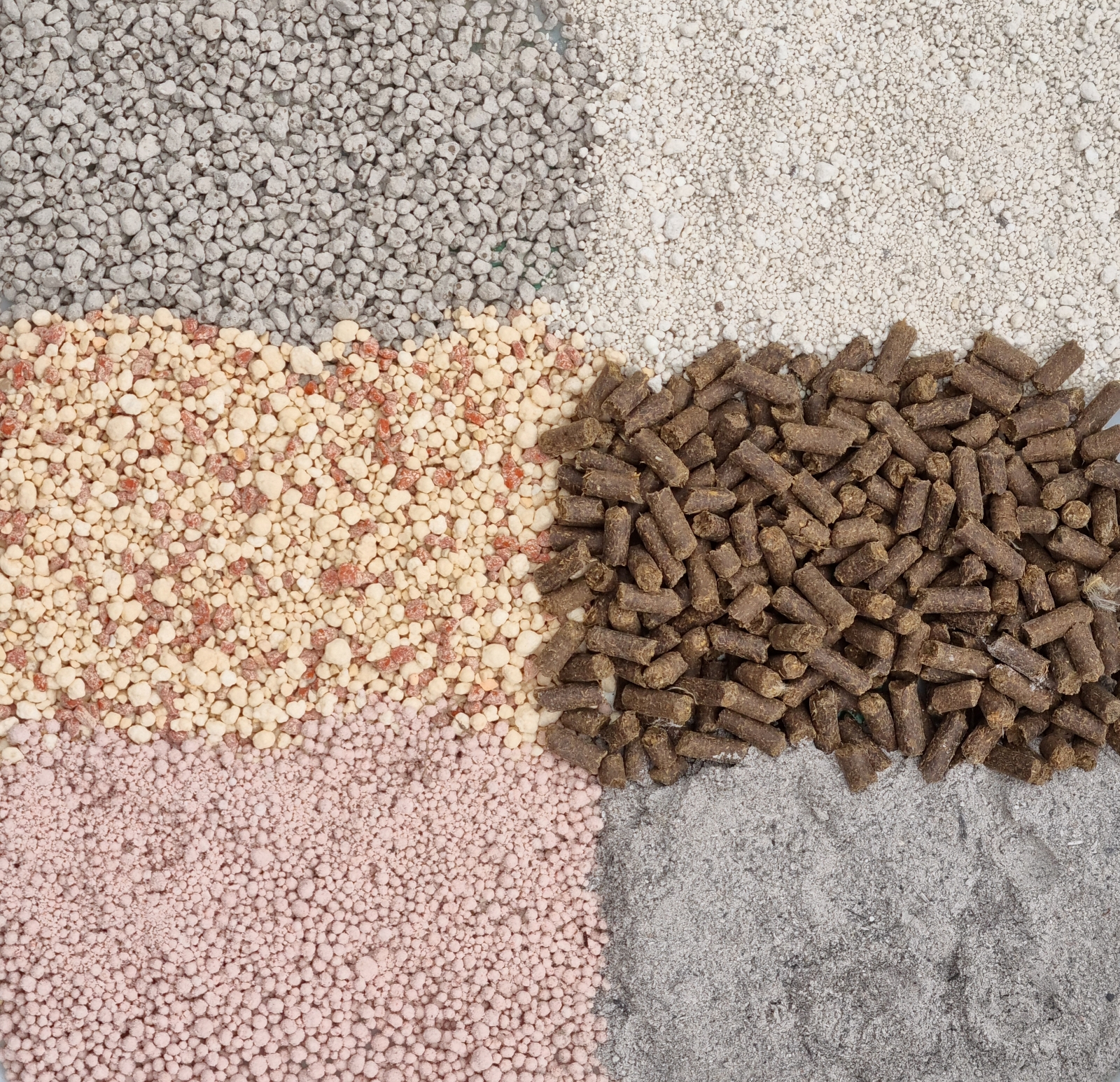
ProPeat takes a different route. Instead of a plastic shell, it combines ammonium sulfate, Magnum 52 phosphate, and sphagnum peat into uniform granules, using the carbon-rich peat as a natural carrier that holds and releases nutrients efficiently — with no plastic introduced into the soil.
Why residual material matters
Soil is a living system, and what you add to it over time shapes how well it holds nutrients and water and supports root growth. Choosing a carrier that breaks down into organic matter rather than plastic is a small decision per application that compounds over years of care.
What it means for your property
Whether you are caring for a backyard, a garden bed, or acres of managed turf, ProPeat lets you feed gradually and evenly while keeping plastic out of the soil — the kind of choice that pays off in long-term soil health.
Ready to switch to a plastic-free fertilizer program? Get a free recommendation.
Frequently Asked Questions
Peat vs. Plastic-Coated Fertilizer: What Stays in Your Soil?
Many slow-release fertilizers coat urea granules in plastic to control how nutrients release, and those coatings do not fully break down — leaving residual plastic in the soil over time. ProPeat uses carbon-rich peat as a natural nutrient carrier instead, delivering nutrients evenly with no plastic left behind.