
Will Fertilizer Burn Your Lawn — and How Do You Avoid It?
Published July 18, 2026 - 5 min read
What fertilizer burn is
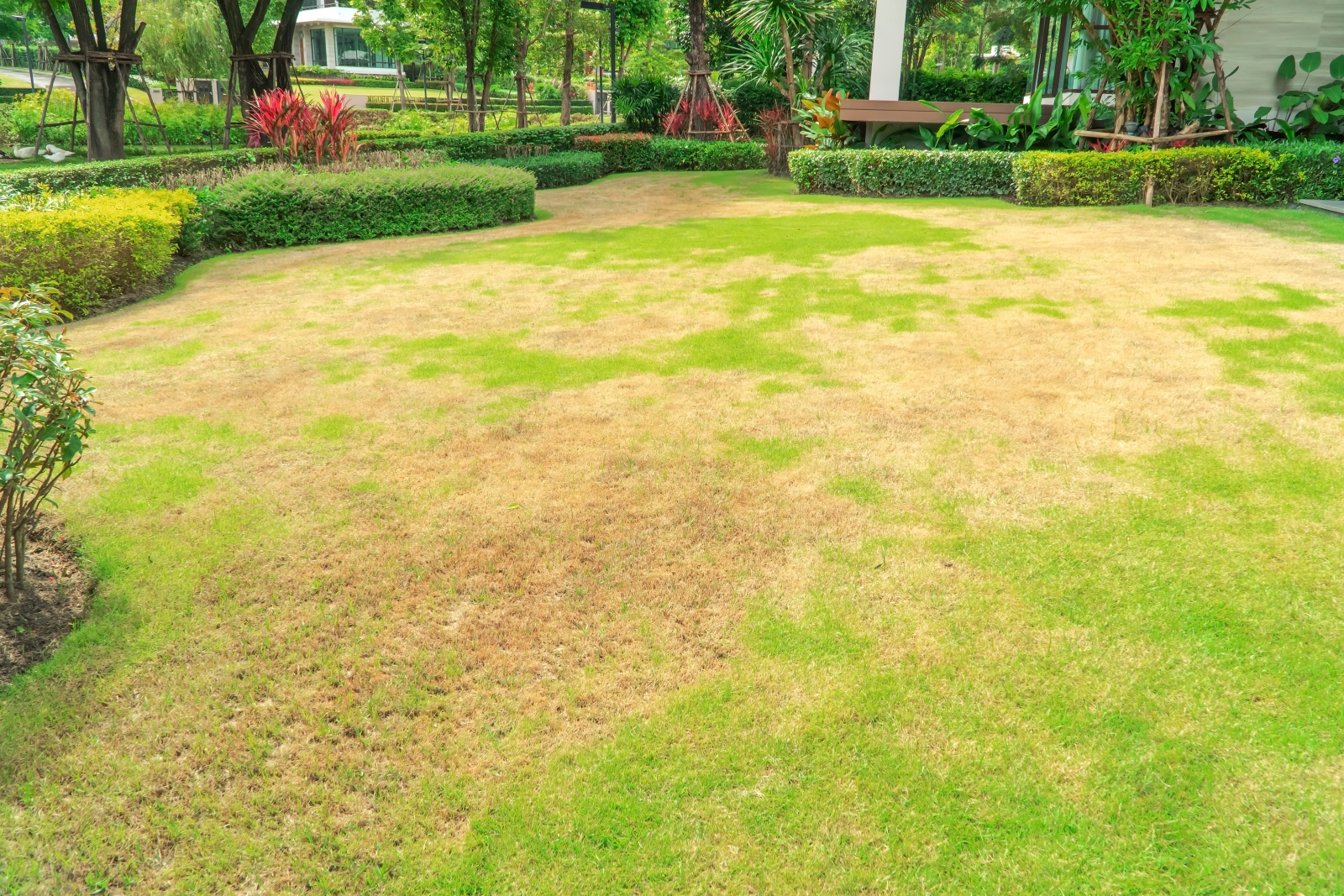
Fertilizer burn is the yellow or brown scorching — sometimes in streaks or spreader-pattern stripes — that shows up when a lawn gets too much fertilizer. It is essentially the grass drying out because the concentration of nutrients and salts around the roots and blades pulls moisture away.
What causes it
The usual culprits are too high a rate, fast-release nitrogen, uneven application (overlapping spreader passes), and applying in hot, dry conditions. A rate that is perfectly safe in spring can scorch the same lawn in the heat of July.
How to avoid it
Apply at the correct rate, water the fertilizer in so it moves off the blades and into the soil, apply evenly, and avoid feeding during an active heat wave or drought. Choosing a controlled-release fertilizer reduces the risk because nutrients arrive gradually rather than in a concentrated surge.
Why ProPeat lowers the risk
Because ProPeat feeds through a peat carrier that releases nutrients gradually, it carries a lower burn risk than quick-release products — one reason it is well suited to summer feeding in Wisconsin.
If your lawn is already burned
Water the area deeply and repeatedly to flush excess fertilizer through the soil, then give the lawn time to recover. Badly burned spots may need reseeding once temperatures moderate. Going forward, the right rate and timing prevent a repeat.
Want feeding done at the right rate and time? Request a free estimate.
Frequently Asked Questions
Will Fertilizer Burn Your Lawn — and How Do You Avoid It?
Fertilizer burn happens when too much fast-release nitrogen or salt pulls moisture from the grass and scorches it — and the risk is highest in hot, dry weather. To avoid it: use the right rate, water the product in, skip applications during a heat wave, and choose a controlled-release fertilizer like ProPeat, which has a lower burn risk.